
Sheerness Dockyard & the Quadrangular Store
Sheerness Dockyard & the Quadrangular Store
Pre-publication offer - until 31 December 2026
Opened in the 1660s adjacent to the garrisoned fort but ramshackle by the early 19th century, Sheerness Dockyard was unique amongst the royal dockyards. Unlike the piecemeal expansion of the others, Sheerness was completely rebuilt between 1813 and 1831. Further important buildings were added in the 1850s as the Navy moved from wood to iron and sail to steam, including the Boat Store which survives today - a building of international importance.
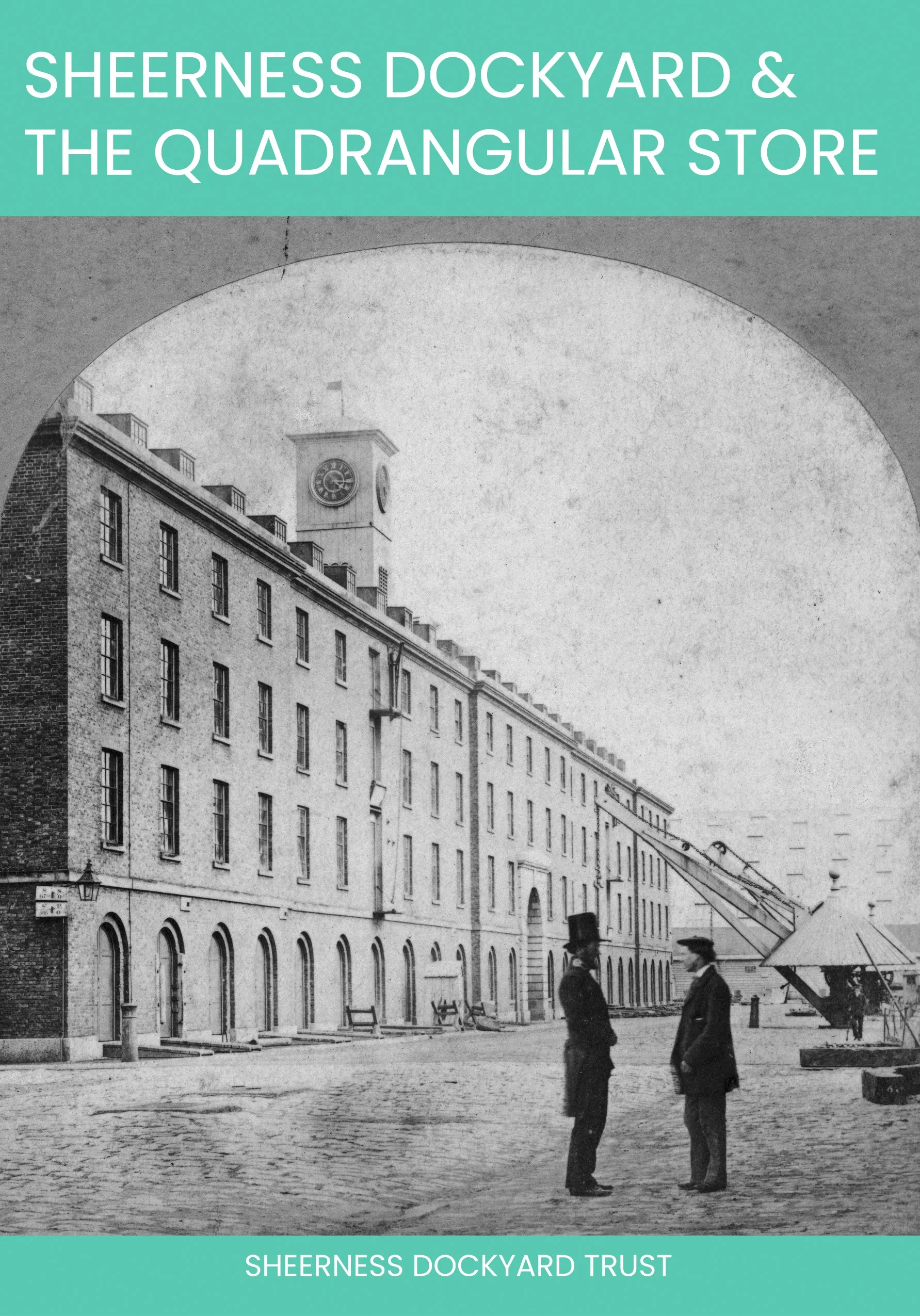
The yard survived virtually intact until closure in 1960. Then came the demolitions, culminating in the cynical sweeping away of the magnificent Quadrangular Store in 1979.
This book tells the story of the public inquiry into the future of the Quadrangular Store, its demolition and the history of the Boat Store. Examined in great detail is the rebuilding of the Dockyard designed by a great man - John Rennie. Two chapters tell the story of the intact Sheerness Dockyard model, now 200 years old and one of the finest architectural models in the world. The book ranges further afield to discuss Naval Storehouses across all the royal dockyards and the remarkable five North Quay Stacks (1802-5) at the London Docks, demolished in the same year as the Quadrangular Store.
The volume also covers such topics as the little known Sheerness Garrison which was almost completely swept away in the early 1960s, associated structures such as the fortifications and Sheerness Pier, the development of the adjacent settlement of Blue Town, the world’s first self-acting tide gauge, the convict ships and devastating fires in Blue Town.
The book is illustrated throughout with historic maps, engravings and photographs, some of which have never been published before such as the magnificent huge sheets of the 1851 coloured manuscript Ordnance Survey map of the Dockyard and Blue Town, and newly commissioned photographs.
Various authors have contributed to the book, including Jonathan Coad, the foremost dockyard historian, Dan Cruickshank and Andrew Byrne, architectural historians, Dr Matthew Wells of the University of Manchester, Julian Harrap CBE, architect and Richard Holme of the Naval Dockyards Society.